Maya Group of Colleges founded
The institution opens in Selaqui, Dehradun, with a focus on practical, research-driven education.
Prof. (Dr.)
Vice President Maya Devi University, Dehradun, Uttarakhand
“Education is the foundation of a nation’s social, economic and intellectual growth — and it has to reach beyond the classroom.”
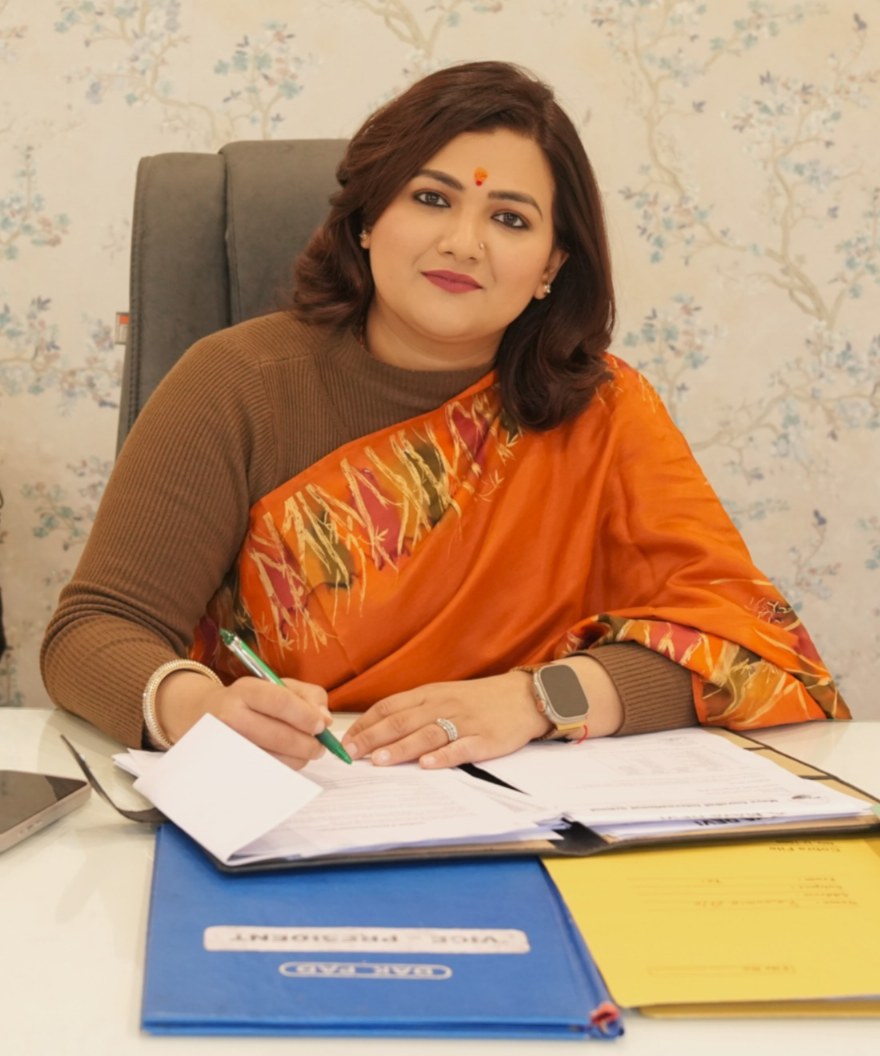

Dr. Tripti Juyal Semwal has helped build one of Dehradun’s best-known private institutions — first as Managing Director of the Maya Group of Colleges, and since 2024 as the first Vice President of Maya Devi University.
She works closely with the university’s President, Shri Manohar Lal Juyal, and Vice Chancellor, Prof. (Dr.) Ashish Semwal, on the academic and institutional direction of a campus that now spans engineering, pharmacy, agriculture, nursing, management, hospitality, education and more.
Her focus is on what students take away beyond the syllabus: creative thinking, leadership, communication, technological skill, ethics and a sense of social responsibility. She is a strong advocate of faculty development and sees accreditation frameworks such as NAAC not as a formality but as a tool for continuous quality improvement.
She also believes learning should meet the real world — whether that is students working with farmers in the villages of Vikasnagar or research that serves the local community.
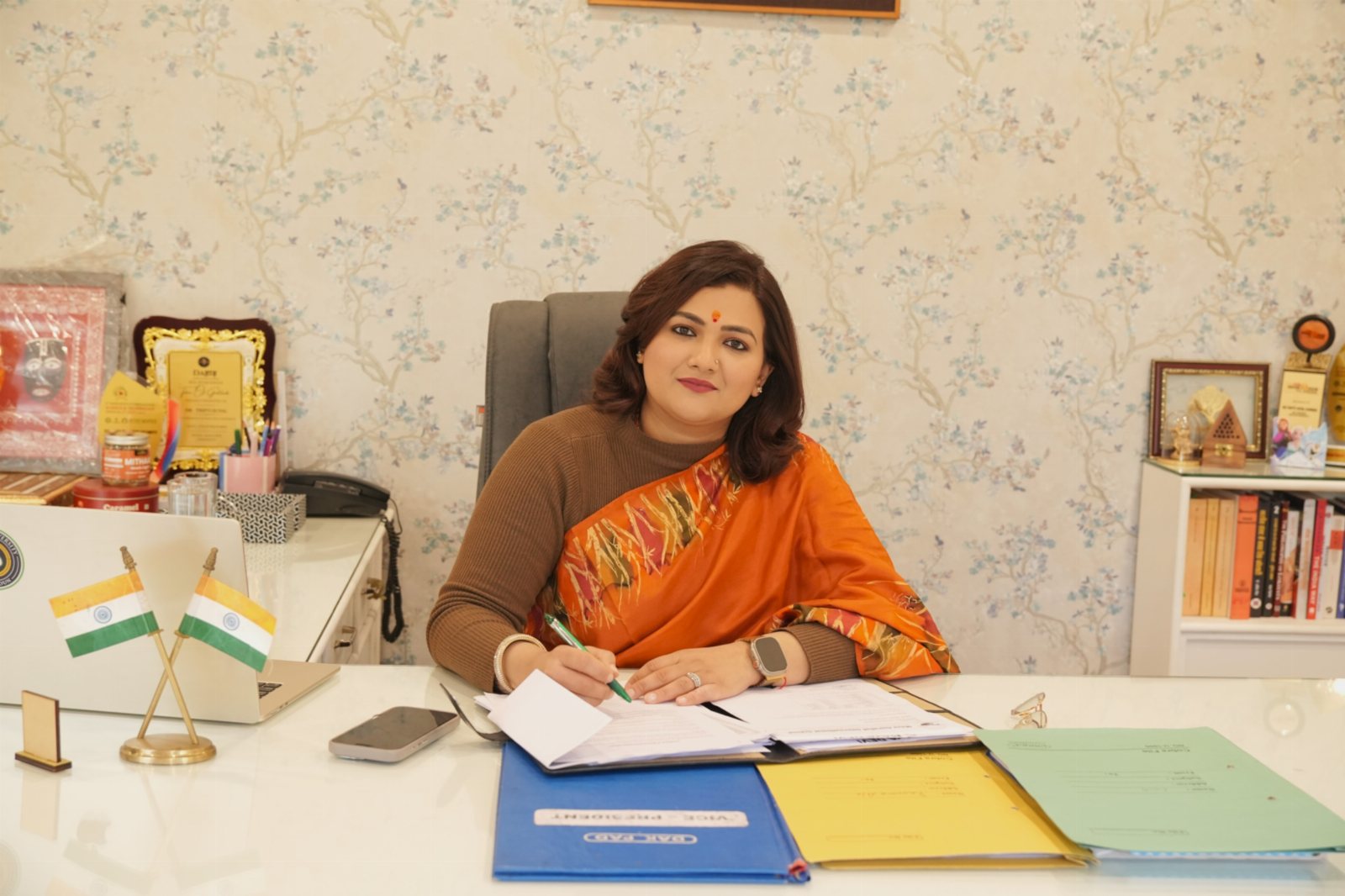
Building an institution, one stage at a time.
Maya Devi University, Dehradun
Maya Devi Educational Foundation
Maya Group of Colleges, Selaqui, Dehradun
The institution opens in Selaqui, Dehradun, with a focus on practical, research-driven education.
Co-authors a study on early childhood learning environments in the International Journal of Science, Technology & Management.
Honoured at the 5th Higher Education Awards by the International Institute for Technical Teachers.
The group becomes Maya Devi University, and she takes office as its first Vice President.
“In a rapidly changing academic environment, imparting subject knowledge alone is not sufficient. Students must also develop creative thinking, leadership, communication, technological competence, ethical values and a sense of social responsibility.”
“Agricultural education must extend beyond classrooms and connect students with farms and rural communities.”
For meetings, invitations or academic collaboration, write to the Vice President’s office.